.jpg)
One game. One beer. One reason to stay out a little longer.
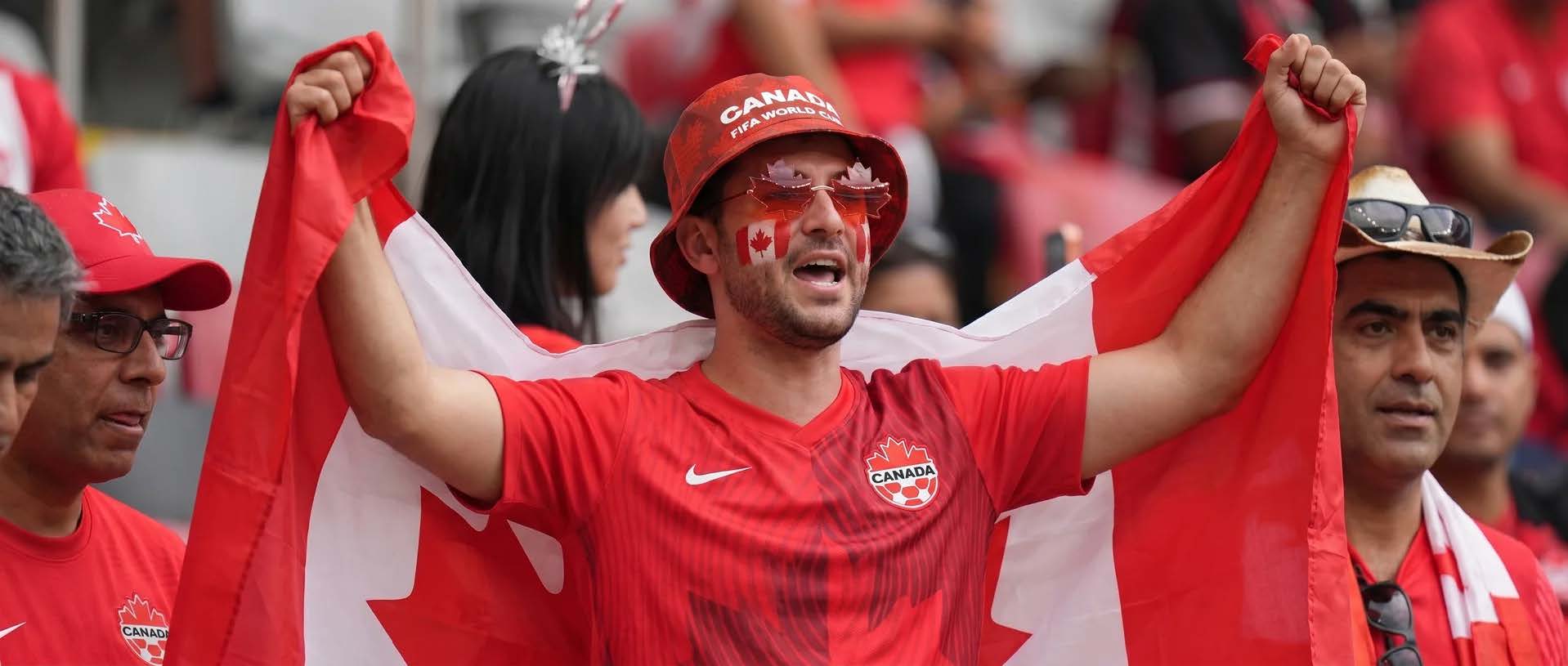
Then the World Cup arrives, and suddenly entire evenings revolve around kickoff times, watch parties, packed sports bars, and unforgettable moments shared with friends and fellow fans. For many people, World Cup season becomes one of the most social periods of the year — and naturally, one of the heaviest drinking seasons as well.
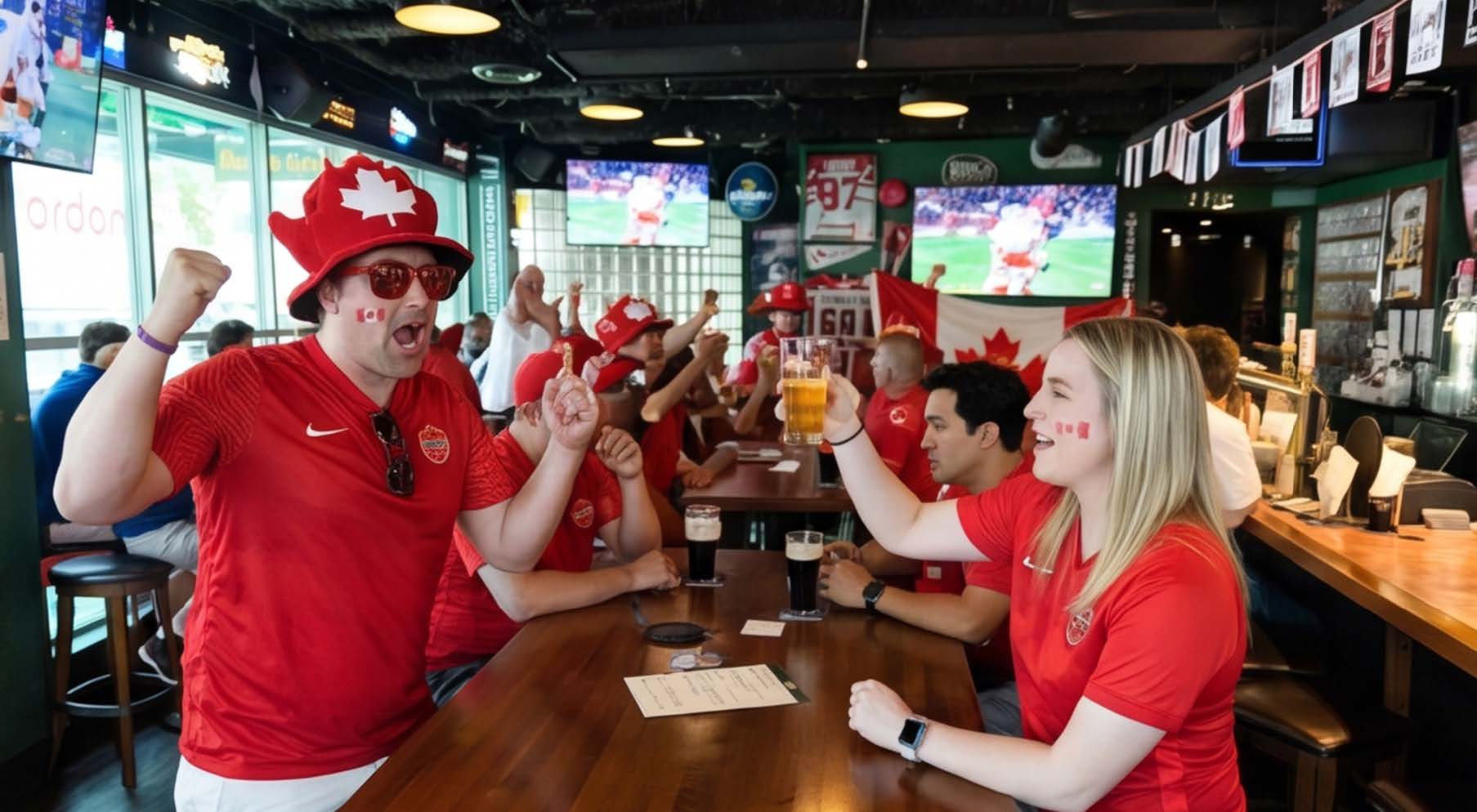
The FIFA World Cup isn't just another sporting event. It's one of the few occasions where millions of people around the world gather simultaneously to watch the same match, cheer for the same team, and celebrate the same moments.
The atmosphere creates a unique social environment that naturally encourages people to stay longer and drink more than they normally would. Unlike casual weekend outings, World Cup matches often become all-night events. Fans arrive early. Food gets ordered. Pitchers start arriving. Friends invite more friends. And before anyone realizes it, what was supposed to be a quick game becomes an entire evening.
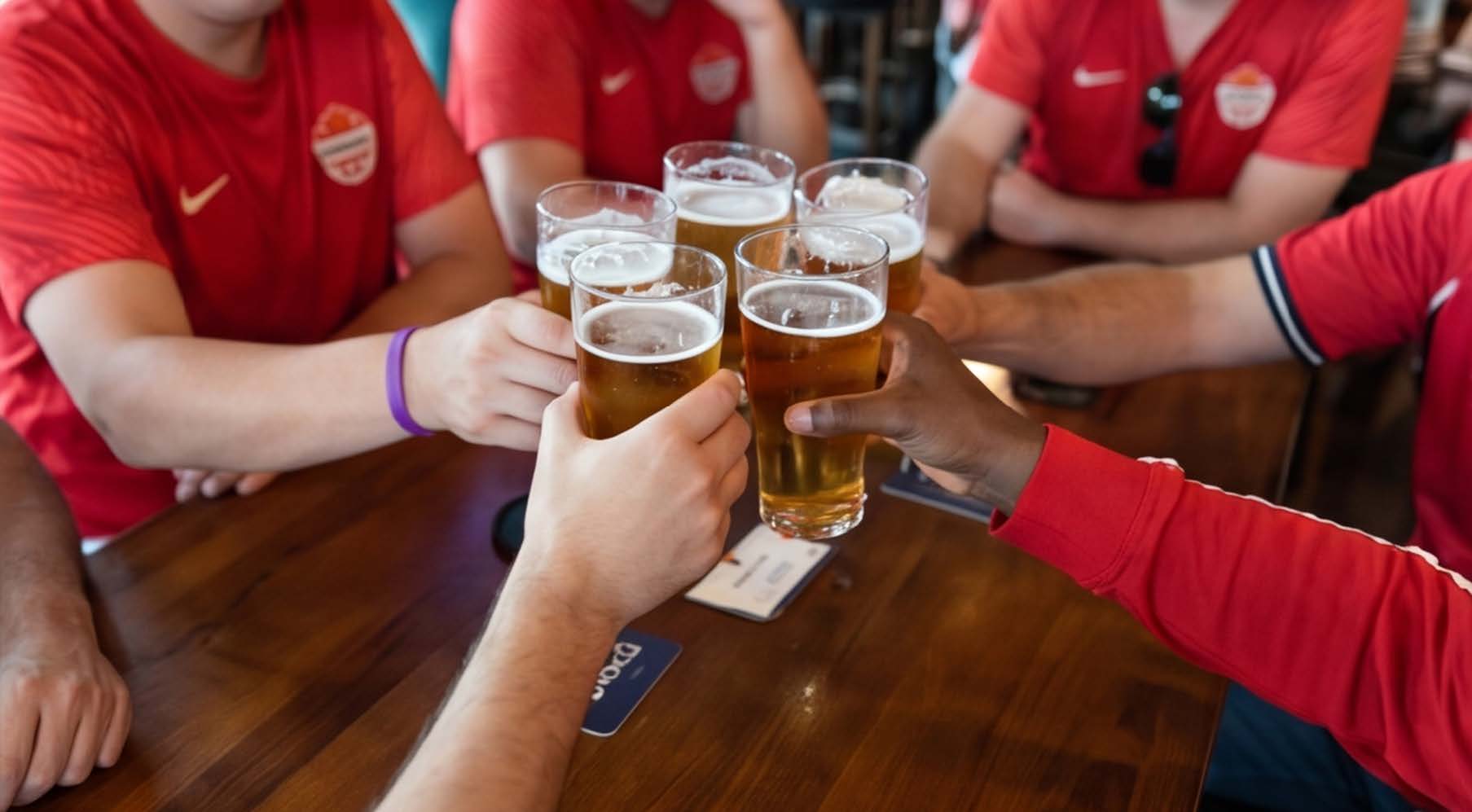
There's a reason watch parties feel different from ordinary nights out. Every moment matters. A goal can happen at any second. A comeback can happen in the final minutes. Extra time can suddenly extend the evening. Penalty shootouts can keep everyone glued to their seats long after regulation ends.
Nobody wants to leave early and miss the biggest moment of the match. As a result, people tend to remain at the venue longer, consume more food and drinks, and continue celebrating long after the final whistle. The match itself creates an environment where staying "just one more round" feels completely normal.
Strangers Become Teammates
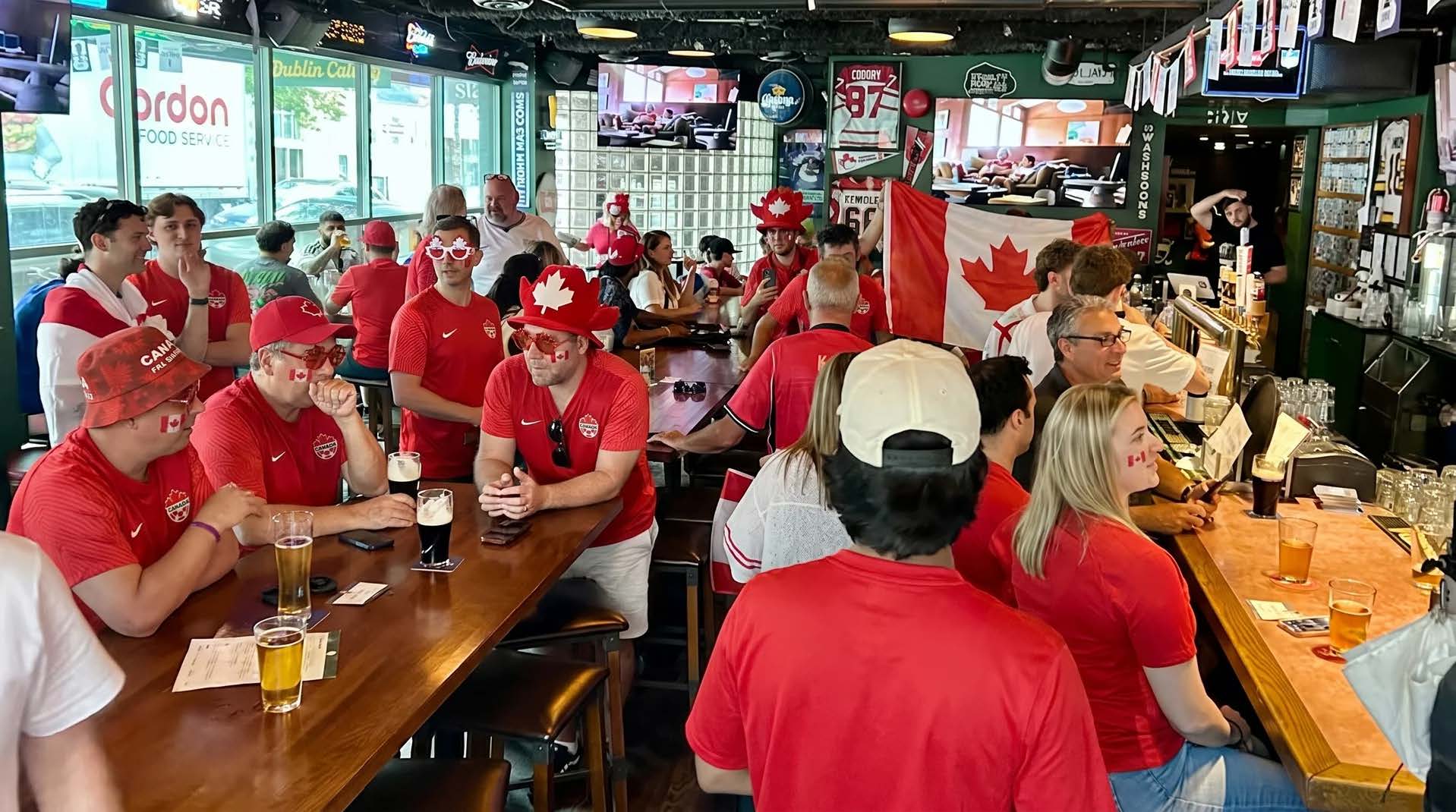
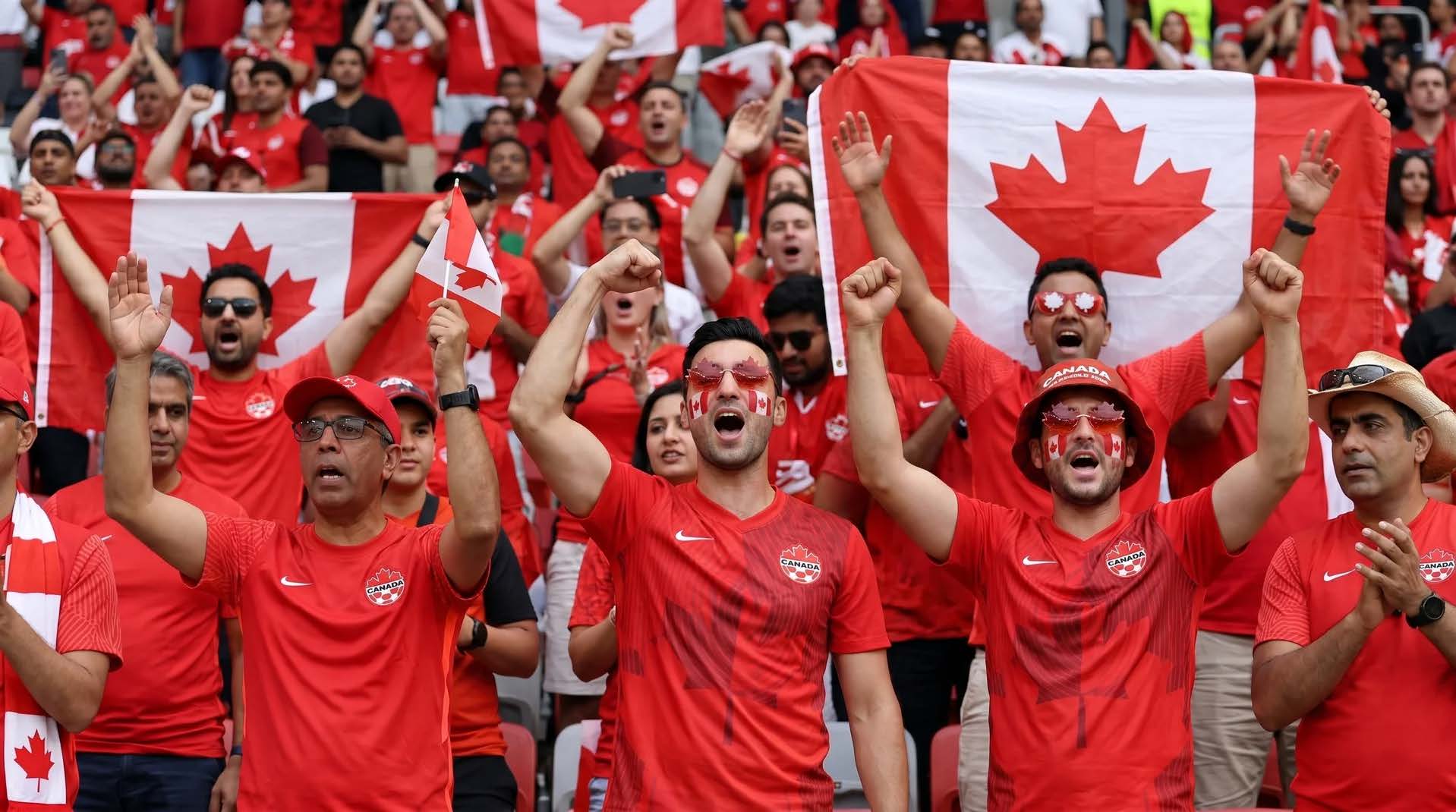
One of the most unique aspects of World Cup season is the atmosphere inside sports bars. For a few hours, complete strangers suddenly share a common goal. People wearing different jerseys gather under the same roof. Conversations start naturally. Cheers become louder. Every goal feels bigger because it's experienced collectively.
The emotional highs of sports often lead to longer social interactions, which naturally means longer drinking sessions as well. A single goal celebration can instantly trigger another round of drinks across an entire table. And when your team wins? The night is rarely over immediately.
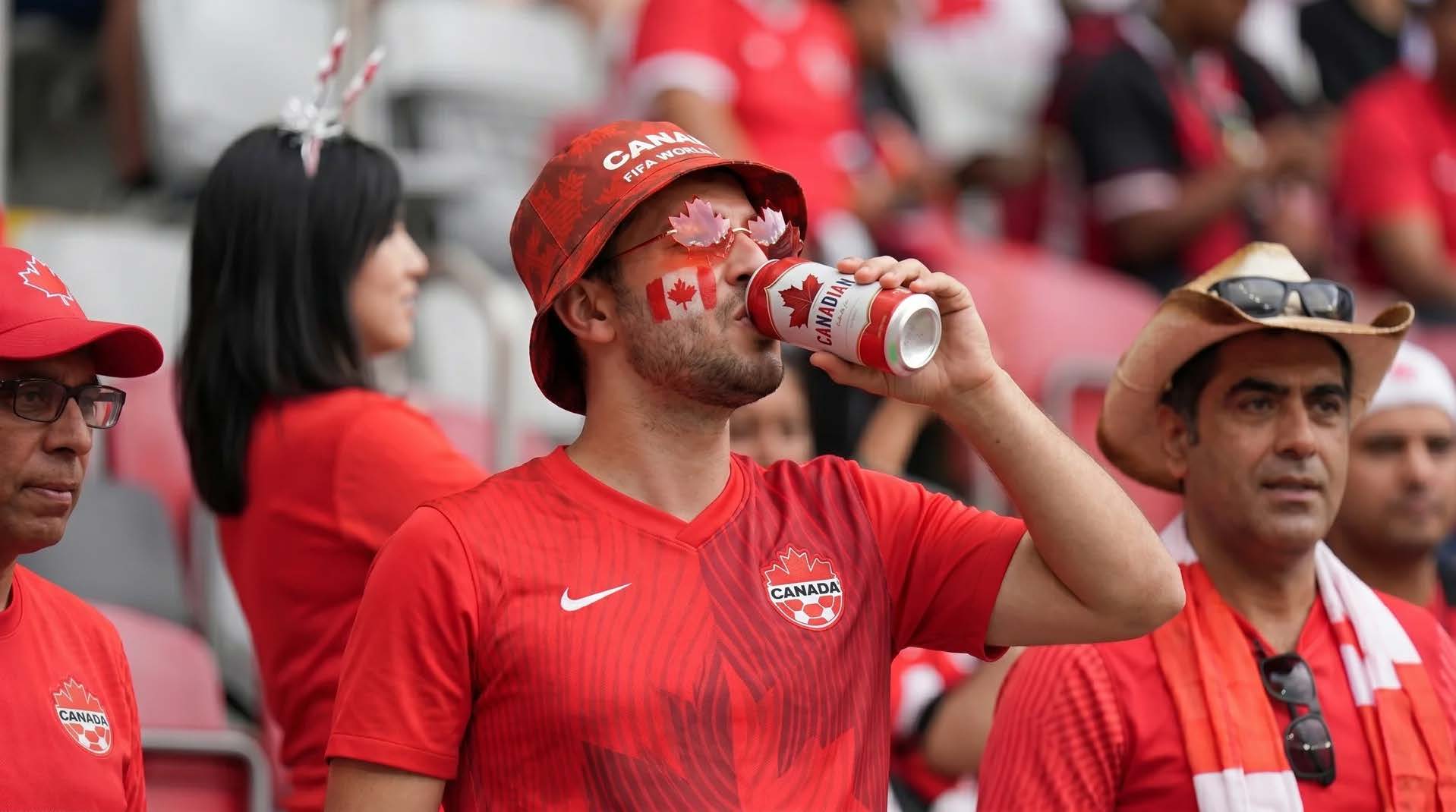
A Tradition Built Around Shared Experiences
Beer has long been associated with sporting events because both revolve around social connection. Whether it's a local soccer match, a championship final, or the FIFA World Cup, fans often use food and drinks as part of the overall experience.
The ritual becomes familiar: meet friends before kickoff, order food and drinks, watch the match, celebrate goals, discuss key moments afterward, and stay for one more round. Over time, these habits become part of the culture itself. The World Cup simply amplifies them.
When the Celebration Ends
The excitement of the game eventually fades. The final whistle blows. The sports bar closes. Everyone heads home.
But tomorrow still arrives. Work meetings still happen. Kids still wake up early. The gym session is still scheduled. The responsibilities that existed before kickoff haven't disappeared.
This is where many fans feel the effects of extended celebrations. The problem is rarely one night — the challenge comes when multiple World Cup matches, watch parties, and late-night gatherings happen over several weeks.
Why Having a Routine Matters
The FIFA World Cup is unique because it lasts for weeks. There are group stage matches, knockout rounds, quarter-finals, semi-finals, and finals. For passionate fans, that can mean multiple nights out every week.
Instead of thinking about recovery after the fact, many people focus on preparation before the celebration begins. Common strategies include:
Hydration. Staying hydrated throughout the night can help support overall wellbeing and recovery.
Proper meals. Eating before and during drinking occasions may help prevent overconsumption and support energy levels.
Consistency. Maintaining regular sleep and healthy habits between matches can make a significant difference over the course of a long tournament.
Planning ahead. Experienced fans often prepare for the next morning before the first drink is even poured.
Modern consumers are becoming increasingly focused on balance. People still want to enjoy nights out. They still want to celebrate victories, gather with friends, and participate in social traditions. At the same time, they want to remain productive, active, and present the next day.
This shift has led many people to develop pre-event and post-event routines designed to support overall wellness while maintaining an active social life. The goal is no longer simply surviving the morning after. The goal is being ready for whatever comes next.
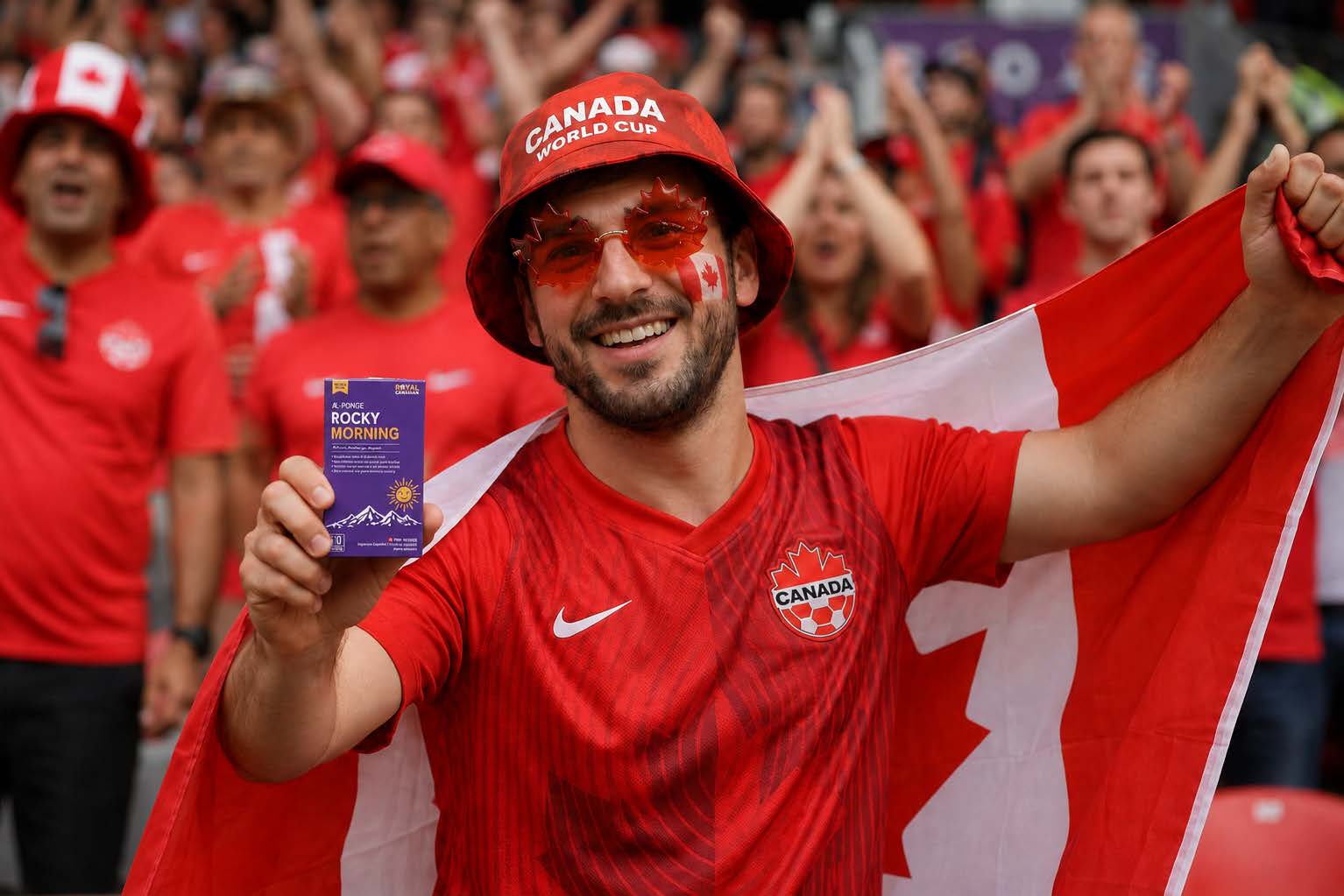
Rocky Morning was developed for people who enjoy social occasions but don't want those occasions to define the next day. Whether you're spending the evening at a sports bar, hosting a FIFA World Cup watch party, celebrating a dramatic penalty shootout victory, or simply enjoying a few beers with friends, preparation matters.
World Cup season is filled with moments worth remembering. The dramatic goals. The packed venues. The chants. The celebrations. The stories shared around the table.
Enjoy every one of them. Stay for the highlights. Stay for the celebrations. Stay for the memories. Just don't forget about tomorrow.
Refresh. Recharge. Repeat. Because the World Cup only comes around every four years. Tomorrow morning comes every day.
* This is for informational purposes only. For medical advice or diagnosis, consult a professional.

-01.svg)

%402x%20(8).svg)
%402x%20(8).svg)