At resorts and holiday destinations, alcohol is often more accessible and socially encouraged than at home. All-inclusive packages, poolside bars, beach lounges, sunset cocktails, and late-night entertainment naturally lead people to drink more frequently and in larger quantities.
This pattern creates a common problem: vacation hangovers.
Hangovers do not only cause physical discomfort. They interfere with daily plans, reduce motivation, and eliminate productivity. Instead of enjoying morning excursions, ocean views, and local cuisine, many travelers spend half the day trying to recover in bed.
When accommodation, flights, activities, and experiences cost hundreds or thousands of dollars, losing entire mornings to hangovers represents a significant loss of value.
The good news is that hangovers are not inevitable. With proper planning, hydration, nutrition, pacing, and pre-drinking preparation, it is possible to enjoy nightlife without sacrificing the next day.
This guide explains how to prevent hangovers on vacation using evidence-based strategies, lifestyle adjustments, and a proactive wellness approach.

Many people report that hangovers feel more severe while traveling than at home. This is not anecdotal. Several environmental and behavioural factors contribute to this phenomenon.
Alcohol is a diuretic, meaning it increases urine production and fluid loss. Hot climates further accelerate dehydration through sweating.
Resorts and tropical destinations expose travellers to prolonged sun exposure, higher ambient temperatures, and increased physical activity. Swimming, walking, and outdoor sightseeing also increase fluid loss without travellers necessarily noticing.
Because people often feel cool in water or shaded areas, dehydration may not be perceived until it becomes severe.
Dehydration contributes to:
When dehydration combines with alcohol, symptoms intensify.
Sleep is one of the body’s most critical recovery mechanisms. On vacation, sleep is frequently compromised by:
Alcohol reduces REM sleep and interferes with deep sleep stages. Even when total sleep time appears adequate, sleep quality declines.
Poor sleep impairs liver detoxification, cognitive performance, and physical recovery, increasing hangover severity.
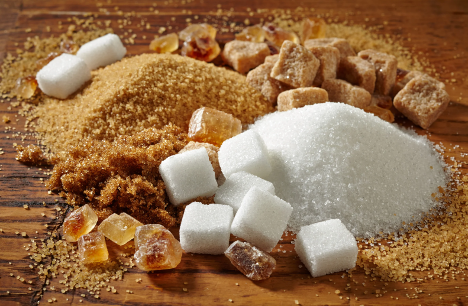
Vacation drinks often contain high levels of sugar, artificial syrups, and sweet mixers. Margaritas, piña coladas, frozen cocktails, and fruity blends are popular at resorts.
Sugar increases systemic inflammation and contributes to insulin spikes. When combined with alcohol, this leads to:
High-sugar alcohol tends to worsen hangovers more than simpler drinks.
Many travellers drink on an empty stomach or eat irregularly. Skipping meals increases the rate of alcohol absorption into the bloodstream, leading to faster intoxication and increased stress on the liver.
Protein, fibre, and fats slow alcohol absorption and reduce its impact. Without proper nutrition, the body becomes more vulnerable to hangover symptoms.
Hangovers are not a single-symptom condition. They are the result of multiple physiological processes occurring simultaneously.
Understanding these mechanisms helps explain why prevention is more effective than treatment.
When alcohol enters the bloodstream, the liver metabolizes it into acetaldehyde. Acetaldehyde is a toxic compound that contributes to nausea, headaches, and fatigue.
The liver can only process a limited amount of alcohol per hour. When consumption exceeds this capacity, acetaldehyde accumulates.
This accumulation is one of the primary causes of hangover symptoms.

Alcohol triggers inflammatory responses throughout the body. Inflammation affects the nervous system, digestive system, and muscles.
This leads to:
Alcohol disrupts the balance of electrolytes such as sodium, potassium, and magnesium. These minerals are essential for nerve function, muscle contraction, and hydration.
Electrolyte imbalances contribute to weakness, dizziness, and confusion.

Alcohol disrupts circadian rhythms and suppresses deep sleep stages. This prevents adequate neurological and physical recovery.
Even if total sleep time appears sufficient, the body does not restore itself properly.
Hangovers are not simply dehydration.They are a full-body stress response involving metabolic overload, inflammation, mineral imbalance, and sleep disruption.
This is why addressing only one factor—such as water intake—is often insufficient.

Preventing hangovers requires a proactive approach. Rather than attempting to repair damage after it occurs, preparation minimizes physiological stress before it begins.
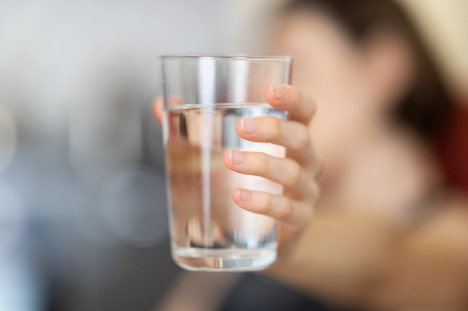
Hydration should begin before the first drink and continue throughout the evening.
In addition to water, electrolyte-rich beverages help replenish lost minerals. Coconut water and electrolyte solutions are especially beneficial in hot climates.
A general guideline is to drink one glass of water for every alcoholic beverage.
Food slows alcohol absorption and reduces the burden on the liver.
Meals containing protein, fibre, and healthy fats provide the best protection. Examples include eggs, avocado, lean meats, fish, nuts, and whole grains.
Avoid drinking on an empty stomach whenever possible.
Spacing drinks with water and avoiding rapid consumption reduces peak blood alcohol levels.
Shots and highly concentrated alcohol deliver large amounts of ethanol quickly, increasing stress on the liver.
Sun exposure and heat contribute to dehydration and fatigue. Wearing sunscreen, taking shade breaks, and staying cool reduces physical stress.
The liver already works harder when processing alcohol. Additional environmental stressors should be minimized.
Most people treat hangovers after they occur. This reactive approach often fails because the damage has already been done.
Pre-drinking preparation focuses on supporting the body before alcohol enters the system.
This strategy acknowledges that alcohol metabolism is predictable and that the body can be supported in advance.
Pre-drinking preparation targets:
Rather than masking symptoms, it addresses the underlying stressors.
Not all supplements are created equally.A well-designed pre-drinking supplement should focus on prevention, not symptom masking.
Key characteristics include:
Compounds such as milk thistle and DHMare commonly studied for their role in supporting liver function and alcohol metabolism.
Inflammation is a major contributor to hangover symptoms. Ingredients with antioxidant and anti-inflammatory properties can reduce stress responses.
Alcohol metabolism produces oxidative stress. Antioxidants help neutralize free radicals and support cellular health.
Plant-based ingredients are often easier to tolerate and safer for regular use.
Products should be manufactured in certified facilities and comply with regional health regulations. This ensures quality, safety, and consistency.
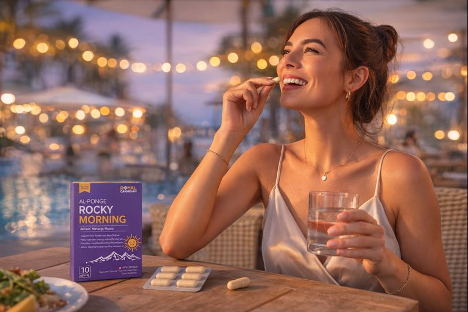
Rocky Morning was designed to support social lifestyles that involve alcohol consumption. This includes weddings, festivals, resort trips, and travel.
Unlike post-drinking solutions, RockyMorning focuses on pre-drinking preparation.
It is taken before alcohol consumption to support metabolic processes, reduce stress responses, and promote next-day clarity.
Key benefits for travellers include:
This simplicity makes it suitable for hotel rooms, beach bags, and carry-ons.
Even with the best prevention strategies, some level of physical stress may still occur after drinking. The key difference is how quickly your body can recover.
A proper morning routine can significantly reduce lingering fatigue, brain fog, and discomfort.
Sunlight helps regulate circadian rhythm, which supports hormone balance, mood, and alertness. Exposure to natural lightin the morning improves wakefulness and reduces grogginess.
Open the curtains, step onto the balcony, or take a short walk outside.
Gentle movement improves circulation and lymphatic drainage. This helps your body clear metabolic byproducts more efficiently.
Avoid intense workouts. Instead, focus on:
These activities stimulate recovery without adding stress.
Begin your morning with water before coffee or breakfast. If possible, include electrolytes to restore mineral balance.
Hydration in the first hour after waking plays a crucial role in how the rest of your day feels.
Protein, healthy fats, and complex carbohydrates stabilize blood sugar and support neurotransmitter function.
Good options include:
Avoid heavy sugar spikes, which can worsen fatigue.
One of the biggest mistakes travellers make is treating each night as an isolated event.
In reality, the effects of alcohol compound over consecutive days.
Consistent hydration, sleep support, nutrition, and pre-drinking preparation reduce cumulative stress.
This allows you to enjoy multiple nights out without progressively worsening mornings.
Most hangover solutions are designed for symptom relief rather than prevention.
Painkillers, sugary drinks, and greasy food may temporarily mask discomfort, but they do not support metabolic recovery.
Reactive solutions typically fail because:
This is why many people feel “functional” but not truly well.
Reactive Approach:
Drink → Feel bad → Try to fix it
Proactive Approach:
Prepare → Drink → Recover efficiently
The proactive approach reduces stress before it accumulates. It does not eliminate responsibility—it enhances it.

Modern wellness emphasizes prevention over treatment.
People use sunscreen before sun exposure.
They stretch before workouts.
They hydrate before long flights.
Pre-drinking preparation follows the same logic.
Rather than waiting for discomfort, you support your body in advance.
This shift reflects a broader trend toward lifestyle optimization rather than damage control.
Rocky Morning is positioned as a pre-drinking wellness routine, not a hangover cure.
This distinction is important.
It does not promise instant symptom elimination. Instead, it supports the body’s natural processes before alcohol-related stress begins.
Key positioning points:
This makes it suitable for vacations, festivals, weddings, and nightlife-heavy travel.
Take 1–2 capsules before going out.
Hydrate.
Eat a balanced meal.
This supports metabolic pathways before alcohol enters your system.
Alternate drinks with water.
Avoid rapid consumption.
Stay cool.
This reduces peak blood alcohol level sand dehydration.
On heavier nights, take another capsule before bed.
Hydrate again.
This supports overnight recovery.
Light movement
Hydration
Sunlight
Balanced breakfast
This completes the cycle.
Most hangover pills are painkillers taken after symptoms appear.
They are reactive.
They may reduce pain perception but do not support detoxification or inflammation control.
Pre-drinking routines focus on:
This difference explains why proactive strategies produce better outcomes.
This is the most common mistake. Even mild dehydration worsens fatigue.
Food reduces alcohol absorption speed.
High-sugar drinks increase inflammation.
Staying up excessively late compounds fatigue.
Heat increases stress load.
Avoiding these mistakes significantly improves next-day performance.
Hangovers don’t just affect comfort. They affect:
On vacation, these losses are amplified.
A single wasted morning can mean:
Prevention protects your investment.
Modern travel wellness is not about restriction. It is about optimization.
You don’t have to eliminate alcohol to feel better.
You just need to prepare properly.

If you’re ready to stop wasting vacation mornings and start traveling smarter, you can find Rocky Morning here:
Because great trips deserve great mornings.
Drink smart.
Wake up better.
* This is for informational purposes only. For medical advice or diagnosis, consult a professional.

-01.svg)

%402x%20(8).svg)
%402x%20(8).svg)