

In this complete 2026 guide, we’ll break down:
If you enjoy wine nights, celebrations, date nights, weddings, festivals, or travel — this guide is for you.

To prevent something, you first have to understand it.
A hangover isn’t just “too much alcohol.” It’s a combination of biological reactions that begin the moment alcohol enters your bloodstream.
Here’s what happens:
When you drink, your liver begins breaking alcohol down.
Alcohol (ethanol) is converted into acetaldehyde, a toxic compound. Acetaldehyde is significantly more harmful than alcohol itself and contributes to:
Your body then converts acetaldehyde into acetate, which is less harmful. But if you drink faster than your liver can process, acetaldehyde builds up.
That buildup is a major reason you feel awful the next morning.
Alcohol suppresses vasopressin (an antidiuretic hormone), which causes:
That’s why you wake up:
Dehydration alone can trigger significant discomfort.
Alcohol increases inflammatory cytokines in the body. This contributes to:
A hangover isn’t just dehydration. It’s an inflammatory response.
Alcohol can cause blood sugar levels to drop, leading to:
This is especially noticeable the morning after.
Alcohol may help you fall asleep faster — but it:
So even if you “slept 8 hours,” the quality was poor.

Let’s be honest.
Most people deal with hangovers after they happen.
Common strategies include:
These approaches may reduce symptoms temporarily. But they don’t address the root causes.
They may dull headache pain. But they:
And frequent use can place additional stress on the liver.
Caffeine may improve alertness. But it can worsen dehydration if not paired with proper hydration.
“Hair of the Dog”
Drinking more alcohol temporarily masks symptoms by raising blood alcohol levels again.
It does not solve the underlying metabolic stress.
Here’s the most important concept in prevention:
Hangovers begin the moment you start drinking — not the next morning.
By the time you wake up feeling terrible, your body has already:
That means prevention must happen before or during drinking, not after.
Now let’s talk about what actually works.
Eating before drinking slows alcohol absorption.
Protein, healthy fats, and complex carbohydrates help:
Best pre-drink foods:
Avoid drinking on an empty stomach — it dramatically increases hangover severity.
Water alone helps — but timing matters.
Electrolytes can also help support fluid balance.
Your liver processes roughly one standard drink per hour.
If you drink faster than that, acetaldehyde builds up more rapidly.
Spacing drinks helps reduce overload.
Darker alcohols contain more congeners (chemical byproducts), which are linked to worse hangovers.
For example:
These tend to produce stronger hangover symptoms compared to lighter options like:
That doesn’t mean they’re “safe” — but congener load does influence severity.
This is where prevention becomes proactive.
Because hangovers are metabolic and inflammatory events, smart prevention focuses on:
This is where pre-drinking supplements enter the conversation.
A pre-drinking routine is exactly what it sounds like:
A structured habit done before consuming alcohol to support your body’s ability to process it.
Instead of:
“Fix it tomorrow.”
You shift to:
“Prepare tonight.”
A well-designed pre-drinking routine aims to:
It is not about drinking more. It is about drinking smarter.
Repair is reactive. Prevention is strategic.

Research shows that:
No product can make alcohol harmless.
But preparation significantly influences how you feel the next day.
Here’s a practical framework:
Step 1: Eat
Balanced meal before drinking.
Step 2: Hydrate
Water + electrolytes.
Step 3: Pace
One drink per hour.
Step 4: Prepare
Use a pre-drinking supplement designed to support your body before alcohol stress begins.

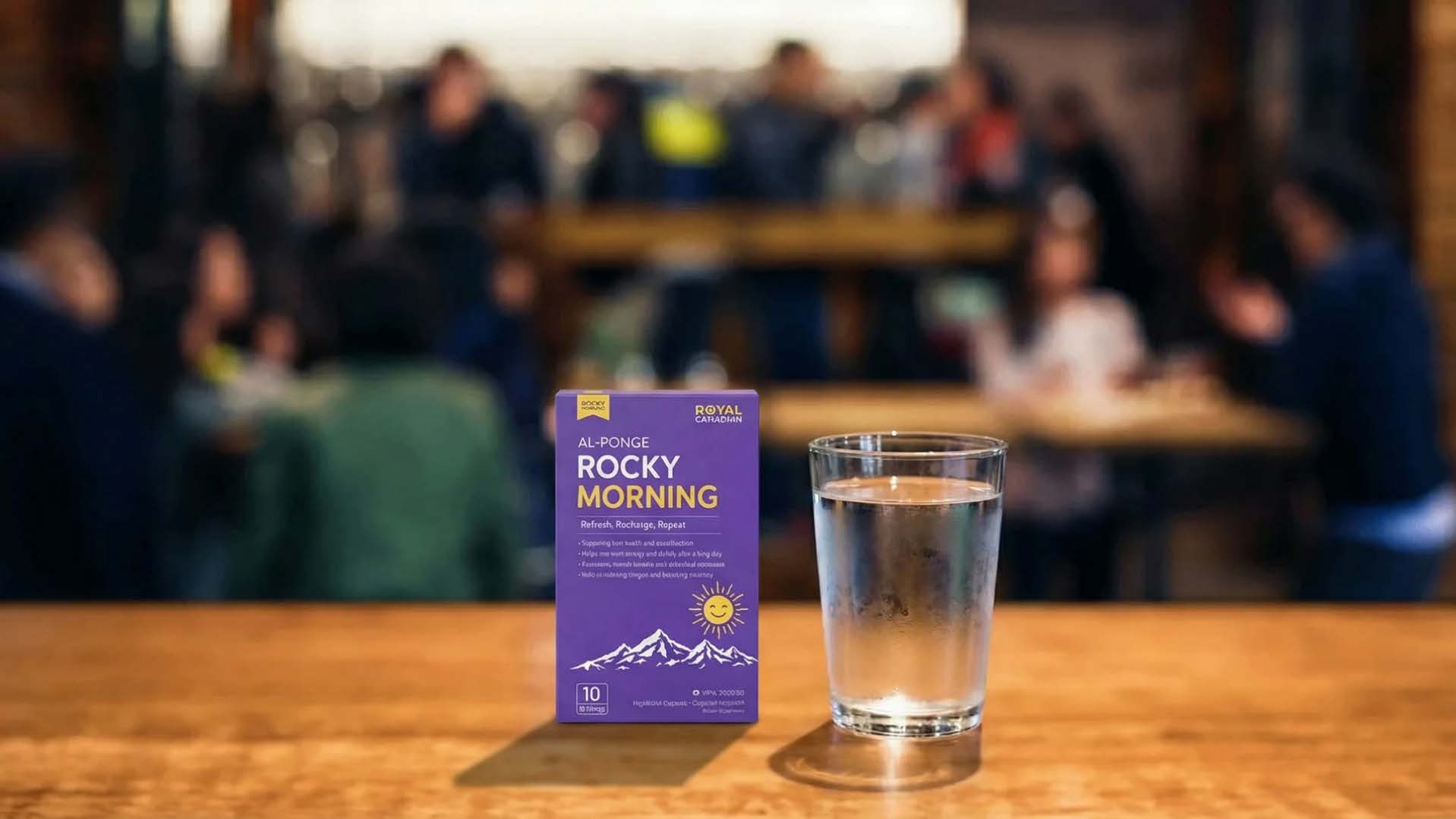
Rocky Morning is designed as a pre-drinking hangover support supplement — not a next-day painkiller.
It is intended to be taken before drinking as part of a smarter routine.
It does not claim to “cure” hangovers.
Instead, it aligns with the prevention approach by supporting:
The philosophy is simple:
Don’t wait for damage control. Start with preparation.
Two friends go out for Valentine’s dinner.
Friend A:
Friend B:
Same night. Different preparations.
If your mornings matter — preparation matters.
It is not:
It is a support system.
Alcohol still stresses the body. But preparation reduces unnecessary burden.
Hangovers are not bad luck.
They are predictable metabolic responses.
If something is predictable, it can be prepared for.
The 2026 mindset shift:
Reactive recovery ❌ Proactive prevention ✔
Drink smart. Hydrate well. Support your body. Wake up better.
* This is for informational purposes only. For medical advice or diagnosis, consult a professional.

-01.svg)

%402x%20(8).svg)
%402x%20(8).svg)