
.jpg)
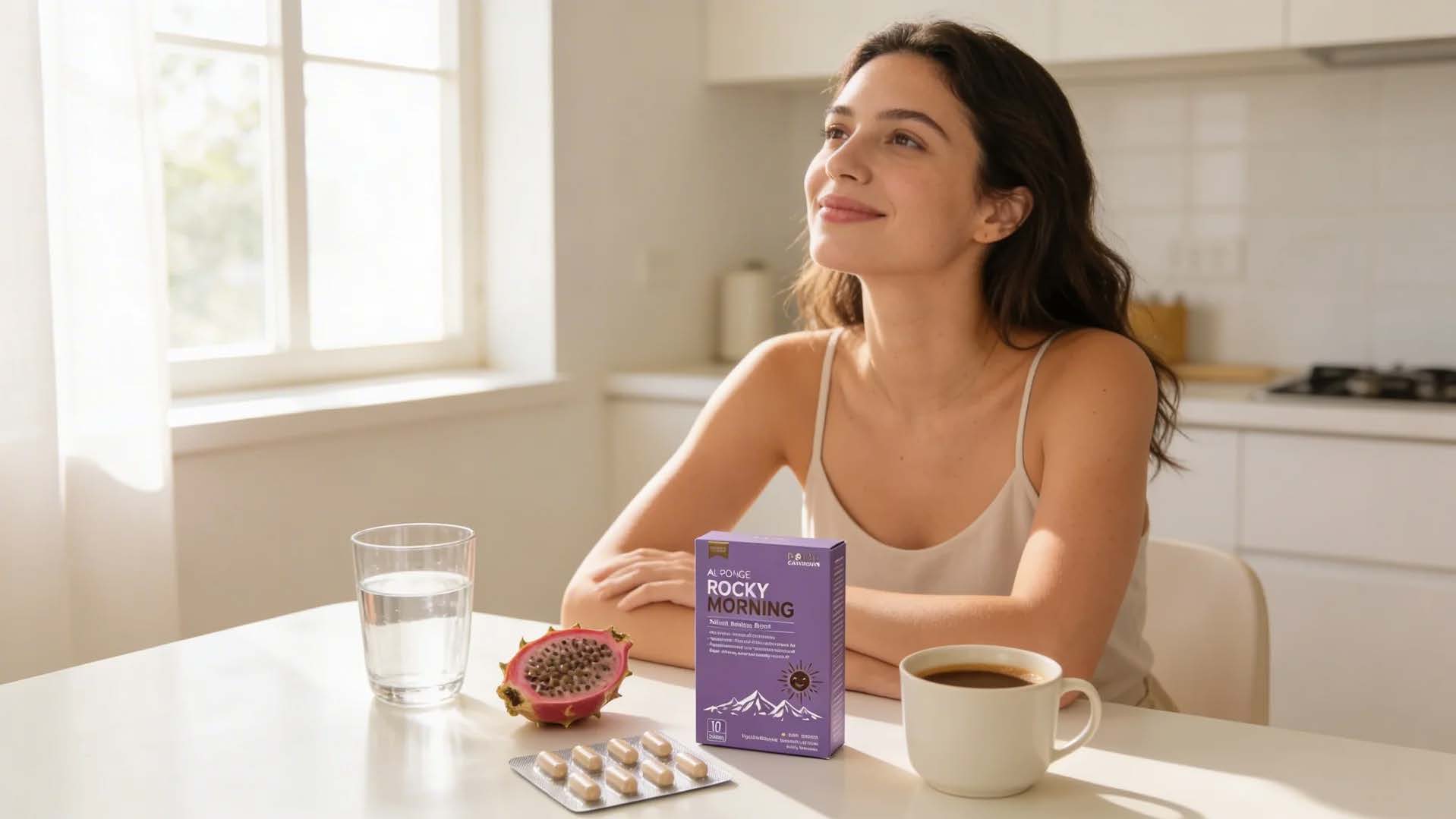
DHM is a flavonoid extracted from the Japanese raisin tree (Hovenia dulcis) — a plant that has been used in traditional East Asian medicine for centuries specifically in the context of alcohol consumption.
Modern research has started to catch up with that traditional knowledge. DHM appears to work through a few distinct mechanisms.
First, it helps accelerate the breakdown of acetaldehyde — the toxic byproduct your liver produces when it metabolizes ethanol. Acetaldehyde is significantly more harmful than alcohol itself, and it accumulates faster than most people's livers can clear it. That accumulation is one of the primary drivers of hangover symptoms: the headache, the nausea, the general feeling of having been run over.
Second, DHM interacts with GABA receptors in the brain — the same receptors that alcohol binds to, producing its sedative effects. Research suggests that DHM may help moderate this interaction, which is partly why it's associated with feeling clearer and less foggy after drinking.
Third, DHM has antioxidant properties that help protect liver cells from oxidative stress. When the liver is working hard to process alcohol, oxidative damage accumulates. DHM helps buffer that.
In practical terms: DHM is one of the more well-researched compounds in the pre-drink supplement space, with a mechanism that makes biological sense and a historical record of use that predates modern supplement culture by centuries.
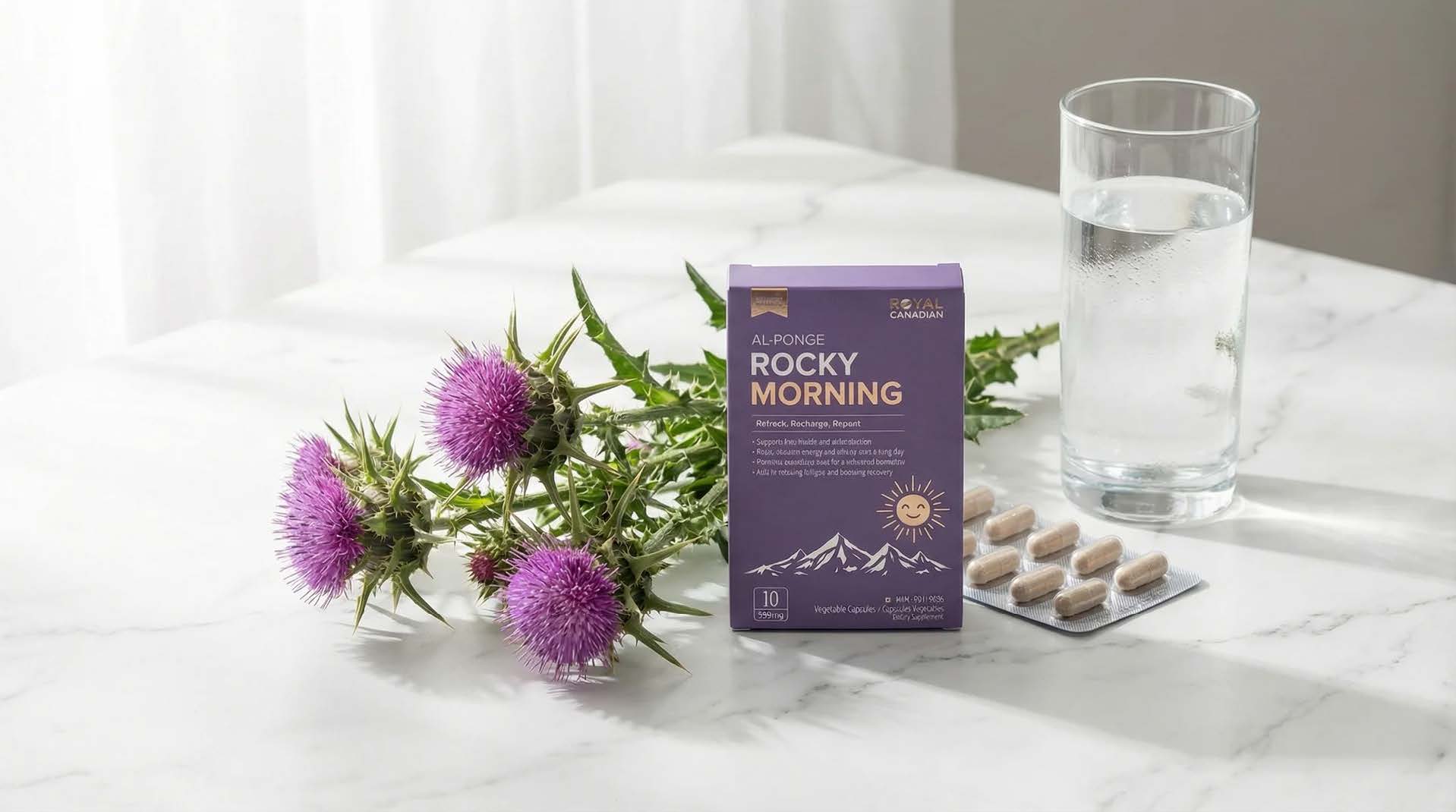
Milk thistle is the most widely studied herb in liver health research — and for good reason.
The active compound in milk thistle is silymarin, a concentrated group of flavonolignans extracted from the plant's seeds. What makes silymarin notable is its triple action on liver function: it acts as an antioxidant, an anti-inflammatory, and a hepatoprotective agent — meaning it actively helps protect liver cells from damage.
When you drink, your liver is the primary organ doing the work of metabolizing alcohol. That process generates oxidative stress and toxic byproducts. Silymarin helps the liver handle that load more efficiently by:
The quality of milk thistle supplementation varies significantly based on the concentration of silymarin. A standardized extract of 80% silymarin — like the 85mg dose in Rocky Morning — represents a clinically meaningful level, not the diluted forms found in many generic supplements.
Milk thistle is also well-tolerated. Decades of research and widespread clinical use have established a strong safety profile, making it one of the most responsible choices in the liver support category.
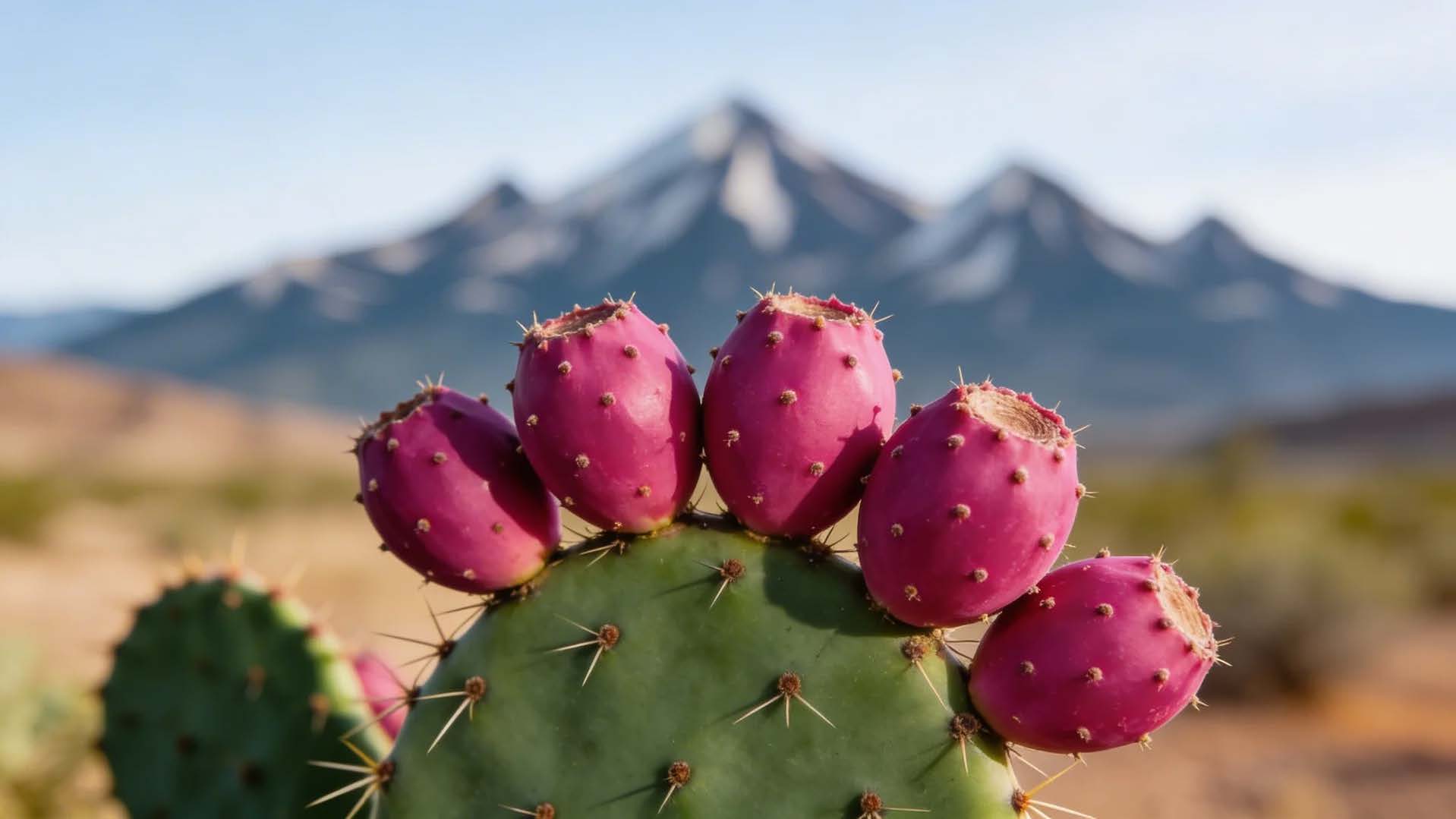
Prickly pear is perhaps the most underappreciated of the three — but it has some of the most interesting research behind it.
A study published in the Archives of Internal Medicine found that an extract of prickly pear cactus, taken before drinking, reduced hangover severity in participants — with particular impact on nausea, dry mouth, and loss of appetite. The researchers attributed these effects to prickly pear's anti-inflammatory properties and its ability to inhibit the production of inflammatory cytokines triggered by alcohol.
Here's the mechanism: alcohol consumption — particularly the metabolism of ethanol — triggers an inflammatory response in the body. This inflammation contributes significantly to how you feel the morning after. Prickly pear appears to help moderate that response.
Beyond its anti-inflammatory effects, prickly pear is rich in:
The result is a compound that addresses hangover symptoms from a different angle than DHM or milk thistle — targeting the inflammatory pathway rather than the metabolic one. Used together, these ingredients create a more comprehensive approach to supporting the body before and during alcohol consumption.
A pattern emerges when you look at how all three of these ingredients work: they're most effective when taken proactively, before alcohol enters the picture.
DHM is most effective when present during acetaldehyde accumulation — which starts with your first drink.
Silymarin is most effective when the liver has it available before oxidative stress begins — not after damage has already occurred.
Prickly pear has the greatest impact on inflammatory response when taken before the inflammatory cascade is triggered.
This is the core insight behind Rocky Morning's formulation philosophy. These aren't ingredients designed to rescue you the morning after. They're designed to support your body during the process — so the morning after is simply a morning.
Natural doesn't automatically mean effective. But in the case of DHM, milk thistle, and prickly pear, the evidence is genuinely compelling — supported by decades of research, historical use, and clear biological mechanisms.
When you choose a supplement in this category, the questions worth asking are simple: Are the ingredients present in clinically meaningful doses? Is the product certified by a regulatory authority? Is it manufactured to verifiable quality standards?
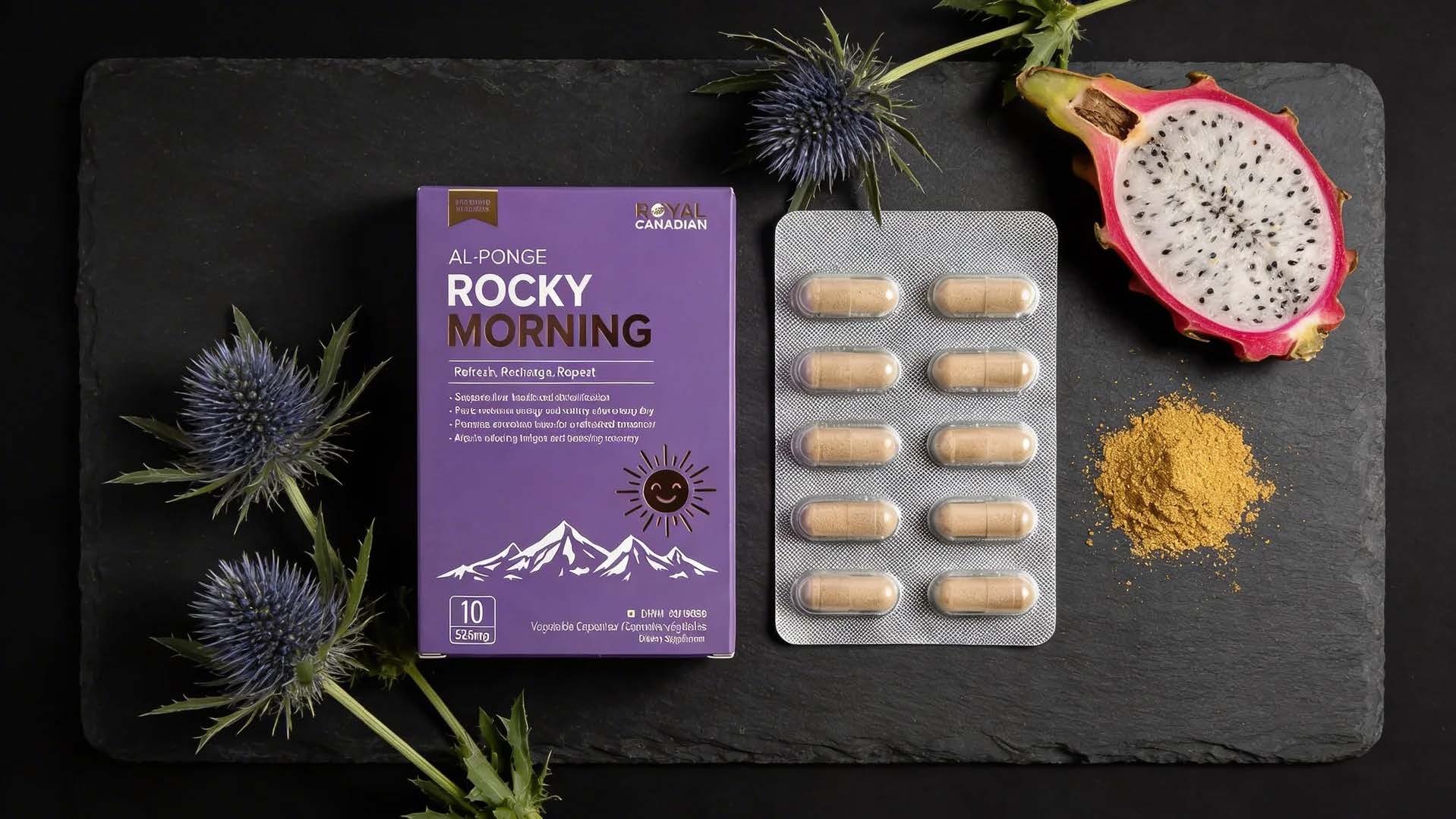
Rocky Morning is formulated with high-dose, standardized ingredients, NPN-licensed by Health Canada, and manufactured in GMP-certified facilities in North America.
Because if you're going to take something before a night out, it should actually do something.
* This is for informational purposes only. For medical advice or diagnosis, consult a professional.

-01.svg)

%402x%20(8).svg)
%402x%20(8).svg)