
.jpg)
That's not just a hangover. That's your body telling you something.
The fatigue you feel the morning after drinking isn't random — and it isn't simply about how much you drank. It's the result of several specific biological processes that happen in your body every time alcohol enters the picture. Understanding them doesn't just explain why you feel the way you do. It changes how you can prepare.
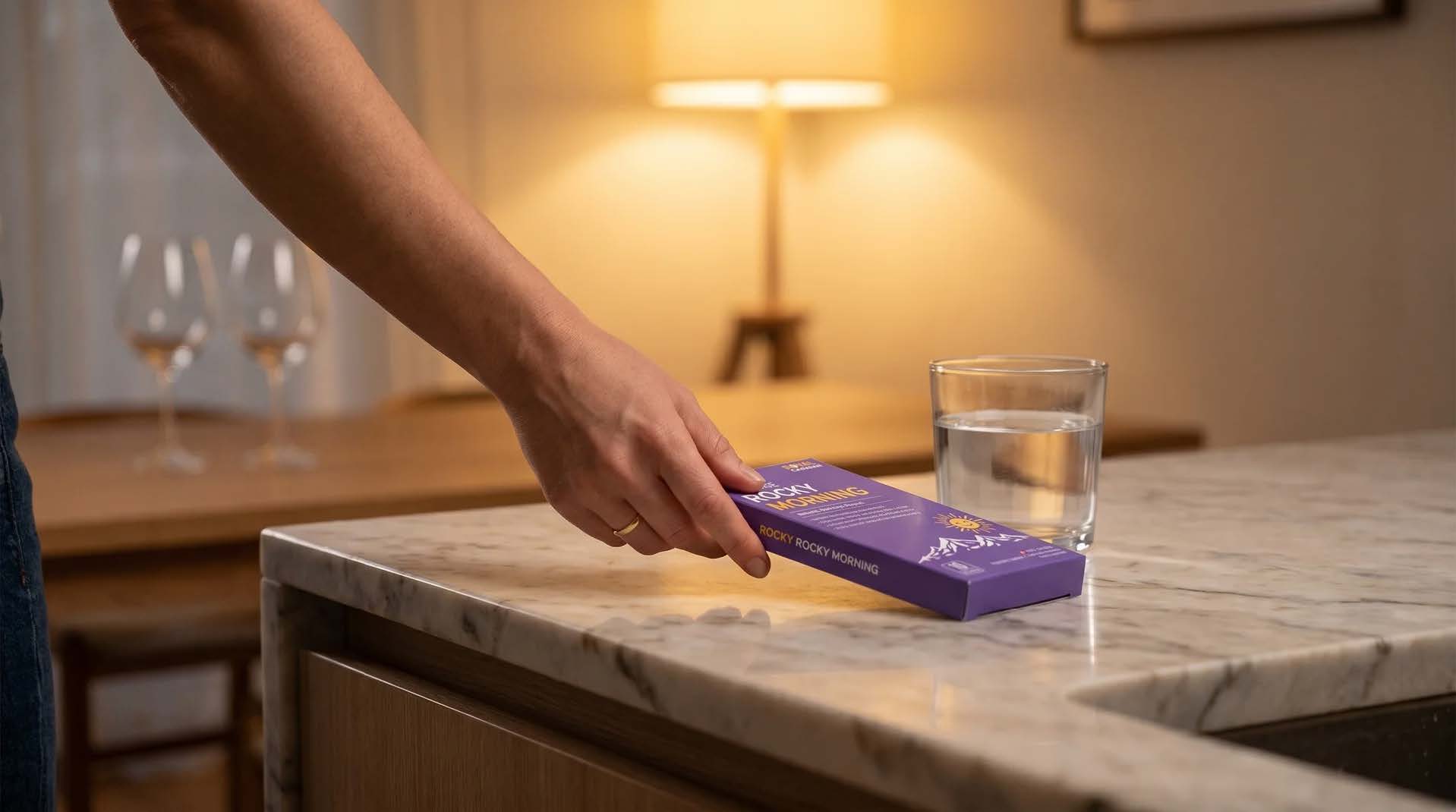
When you drink, your liver immediately begins metabolizing ethanol. The first byproduct of that process is acetaldehyde — a compound that is significantly more toxic than alcohol itself.
Here's the part most people don't know: acetaldehyde doesn't just cause the headache-and-nausea version of a hangover. Even at lower levels, it circulates through your bloodstream and affects how your entire body functions overnight. It creates oxidative stress — essentially cellular damage — that your body has to spend energy repairing while you sleep.
That repair work competes with every other restorative process your body is trying to do during the night. The result? You wake up feeling like you ran a marathon you don't remember.
Your liver converts acetaldehyde into acetic acid, which is relatively harmless — but that conversion takes time. When you drink faster than your liver can clear it, acetaldehyde accumulates. And the more it accumulates, the harder your body has to work, and the more depleted you feel in the morning.
This is why the timing matters. The damage doesn't start at 3am when you finally fall asleep. It starts with the first drink.
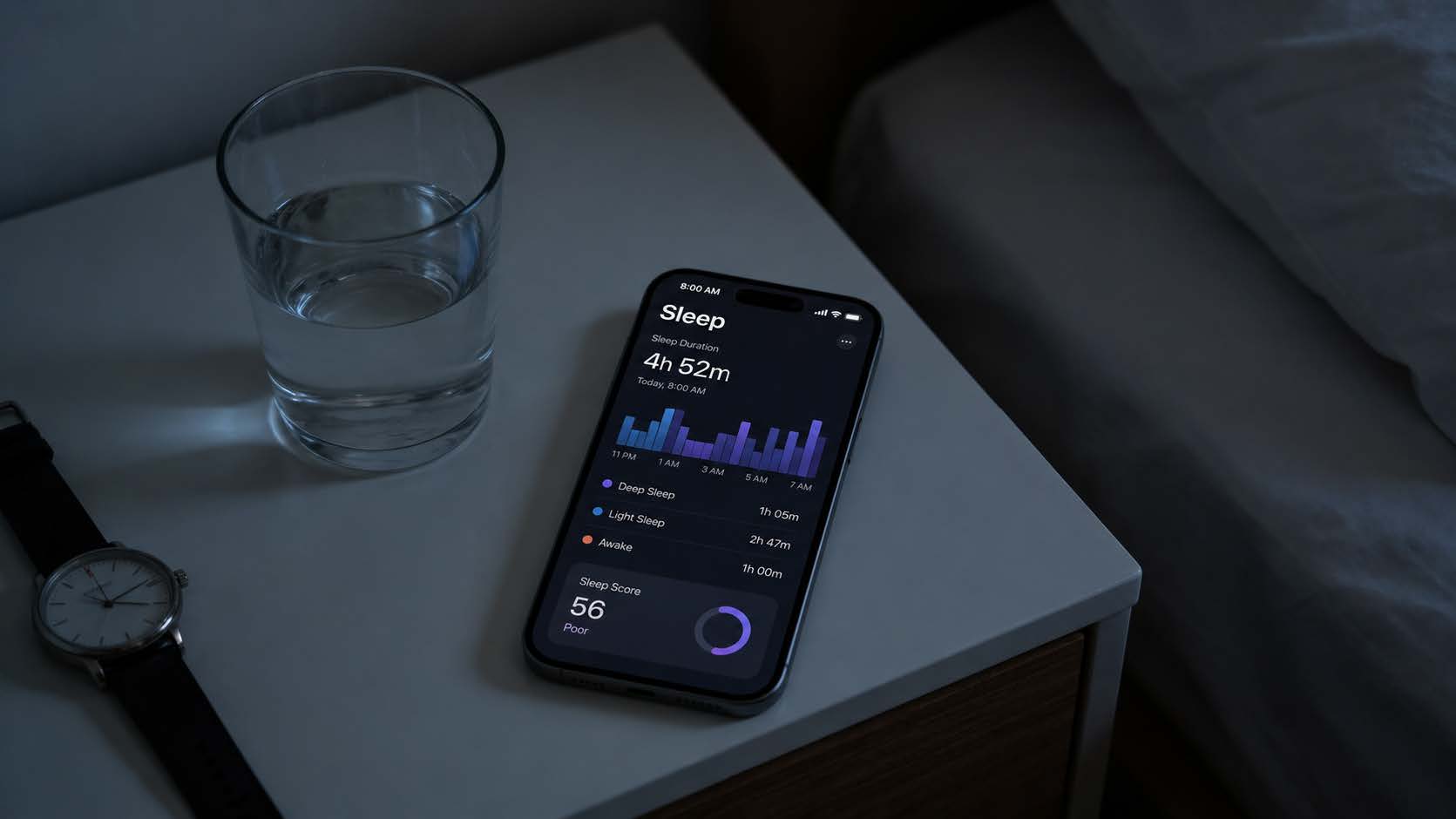
This is one of the most underappreciated effects of drinking, and it explains the "I slept eight hours but feel terrible" phenomenon almost entirely.
Alcohol is a sedative. It makes you feel drowsy and helps you fall asleep — sometimes faster than usual. This fools people into thinking alcohol improves sleep. It doesn't. What it actually does is alter the architecture of your sleep in ways that eliminate its most restorative phases.
Specifically, alcohol dramatically reduces the amount of time spent in REM sleep — the deep, rapid eye movement stage where memory consolidation happens, emotional regulation occurs, and the brain undergoes its most important repair work.
In the first half of the night, alcohol suppresses REM sleep almost entirely. In the second half, as your liver works to clear the alcohol, your sleep becomes fragmented — you wake more easily, you shift between light sleep stages, and you get almost none of the deep restorative sleep your body needs.
The result is what sleep researchers sometimes call "sleep of poor architecture" — you technically spent time in bed, but physiologically, you barely rested. Seven hours of alcohol-disrupted sleep provides far less recovery than five hours of uninterrupted natural sleep.
This explains why the post-drinking fatigue feels qualitatively different from normal tiredness. It's not just being sleepy. It's cognitive fog, emotional flatness, slowed reaction times, reduced concentration — the hallmarks of genuine sleep deprivation, even when the clock says you slept enough.
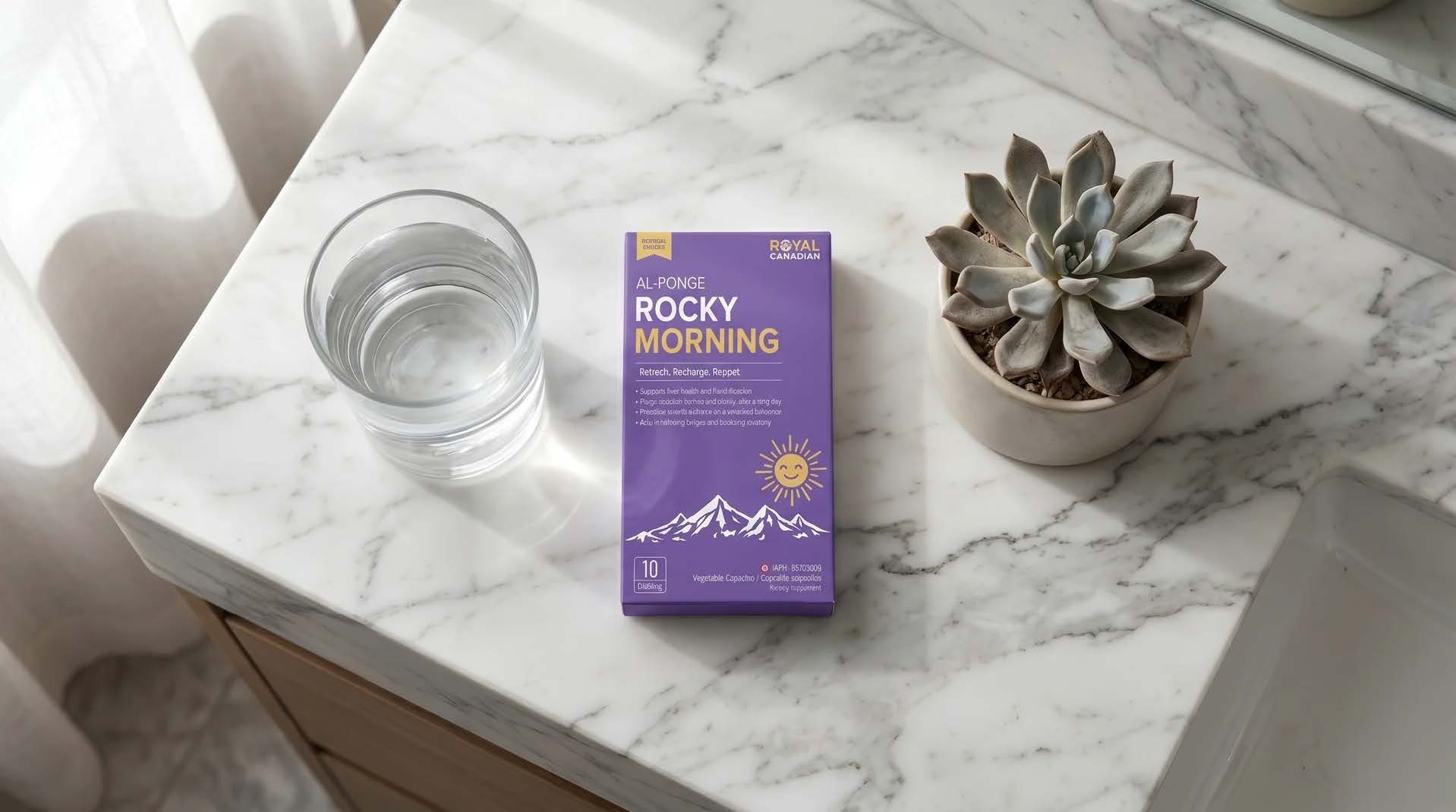
Alcohol suppresses a hormone called vasopressin, which normally signals your kidneys to retain water. Without it, your kidneys shift into overdrive — you urinate more frequently, and with each trip to the bathroom, you lose not just water but critical electrolytes: potassium, magnesium, sodium.
Progressive dehydration compounds every other symptom. It contributes to brain fog and headaches (your brain is approximately 75% water — even mild dehydration affects cognitive function). It affects skin hydration and appearance. It slows digestion. It reduces the efficiency of virtually every cellular process in your body.
And here's the insidious part: you might not feel thirsty. Alcohol masks thirst signals. By the time you notice you're dehydrated, you already are — significantly.
Even two to three drinks can produce measurable dehydration by morning. For context, mild dehydration alone is associated with reduced concentration, increased perception of fatigue, and worse mood. When you layer that on top of disrupted sleep and the metabolic load of alcohol processing, the exhaustion makes complete sense.

The effects of alcohol don't stop at tiredness. They ripple into everything.
Productivity and focus. Cognitive performance is measurably reduced for up to 24 hours after drinking — even without a classic hangover. Working memory, attention, and decision-making are all affected. A "fine" night out can produce a genuinely impaired workday.
Skin condition. Alcohol is a diuretic and an inflammatory trigger. Dehydration shows up visibly in skin — dullness, puffiness, exaggerated fine lines, uneven tone. For anyone paying attention to skincare, a night of drinking can erase days of progress.
Mood and emotional regulation. Because REM sleep is critical for emotional processing, alcohol-disrupted sleep often leaves people feeling more anxious, irritable, or emotionally flat the next day — a phenomenon sometimes called "hangxiety," even in people who didn't drink excessively.
Immune function. Alcohol suppresses immune response. Your body is less equipped to fight off illness the day after drinking — another reason post-drinking days tend to feel generally run-down, even when you can't identify specific symptoms.
The throughline in all of this: the problem isn't the drinks. It's the unprepared body.
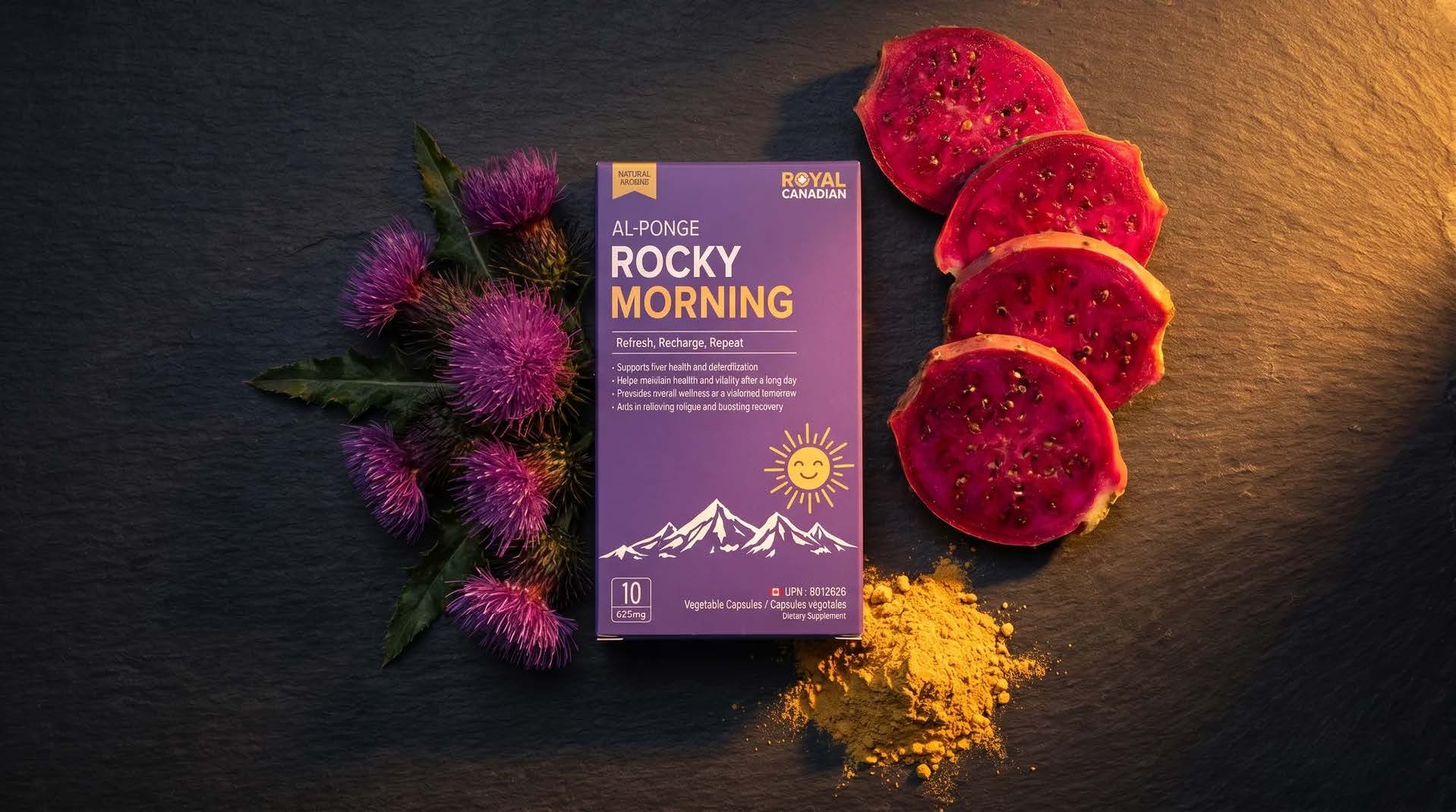
This is where proactive supplementation makes its case — and where the specific ingredients matter.
Dihydromyricetin (DHM) works by accelerating the breakdown of acetaldehyde and interacting with GABA receptors — the same brain receptors alcohol binds to. By helping clear acetaldehyde more efficiently, DHM reduces the oxidative stress load your body carries overnight, which directly translates to feeling clearer and less depleted in the morning.
Milk thistle (silymarin) is one of the most extensively studied natural compounds in liver health research. Its active compound, silymarin, acts as a powerful antioxidant, protects liver cells from oxidative damage caused by alcohol metabolism, and supports the liver's natural detoxification pathways. At a standardized concentration of 80% silymarin — like the 85mg dose in Rocky Morning — it provides liver cells with meaningful support before the metabolic stress begins.
Prickly pear (Opuntia ficus-indica) addresses a different angle: the inflammatory response. Alcohol triggers a systemic inflammatory cascade that contributes to fatigue, brain fog, and general malaise. Prickly pear's anti-inflammatory properties help moderate that response, while its betalains (antioxidant pigments), flavonoids, and electrolyte content — including potassium and magnesium — help counter the dehydration and oxidative stress that compounds everything else.
Together, these three ingredients address the morning-after problem from multiple directions simultaneously: metabolic load, liver stress, inflammation, and cellular protection.
The critical point is timing. All three are most effective when present in your system before and during alcohol metabolism — not as a rescue after the fact. Taking them before you drink gives your body better tools for the work it's already about to do.
Feeling wrecked the morning after a few drinks isn't weakness, and it isn't just "getting older." It's biology — predictable, well-understood, and to a meaningful extent, preventable.
The problem was never the drinks. It was showing up to the evening without giving your body what it needs to handle them.
Rocky Morning is formulated specifically for that moment — the capsule you take before the first drink, not the morning after it's already too late. One to two capsules before your night out. One before bed for bigger occasions. High-dose milk thistle, DHM, prickly pear — the ingredients that give your liver, your sleep, and your next morning a fighting chance.
Because your mornings matter. And preparation is the difference.
* This is for informational purposes only. For medical advice or diagnosis, consult a professional.

-01.svg)

%402x%20(8).svg)
%402x%20(8).svg)